






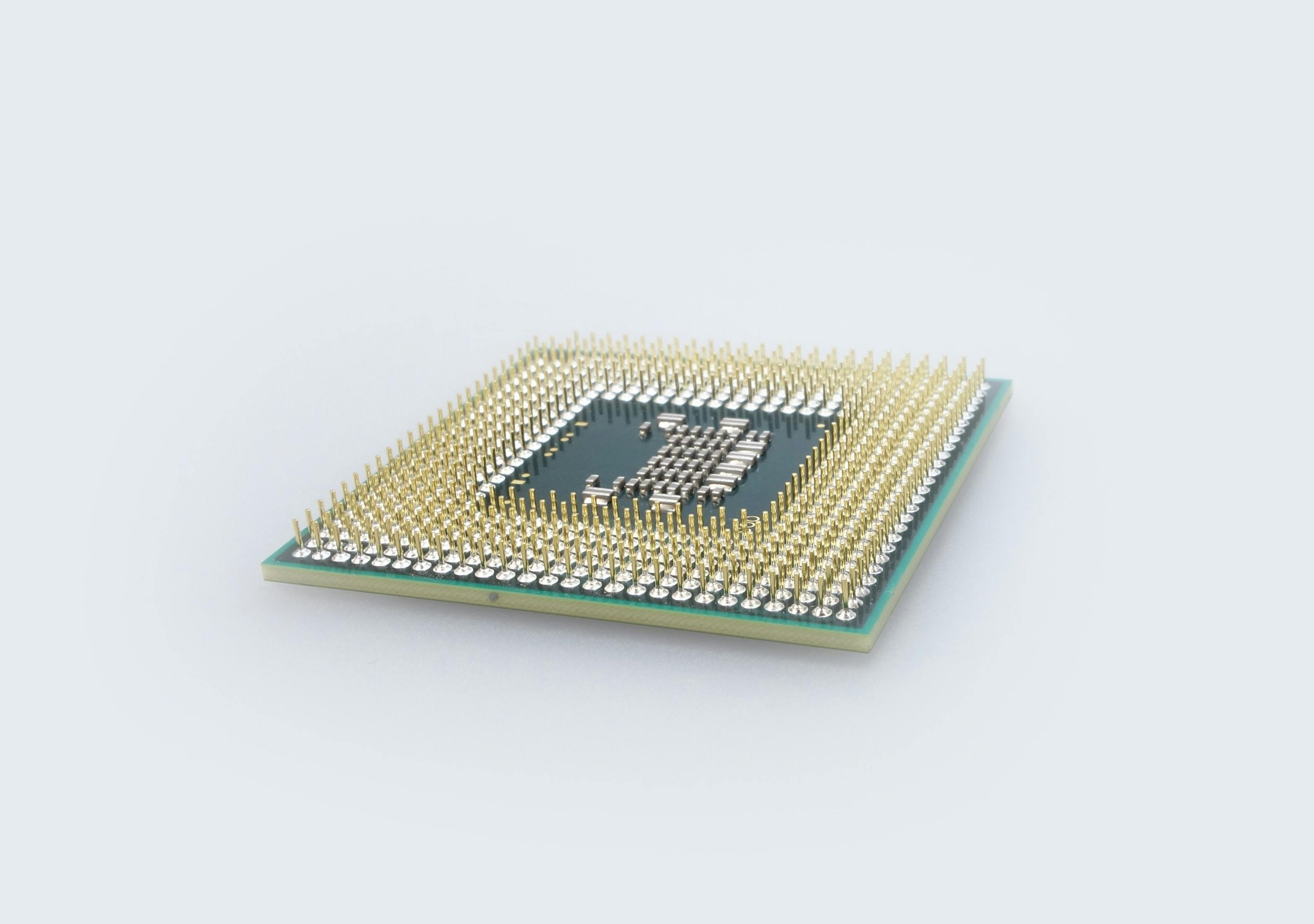
The Architecture of Orbit: One Million Digital Heavens
The sheer scale of the computational uplift targeted by this merger is difficult to grasp: the goal is a constellation of up to one million orbital data centers. This isn’t a small experimental cluster; this is a plan for planetary-scale redundancy and power, dwarfing all existing space infrastructure combined. The combined entity values this endeavor at approximately $1.25 trillion, reflecting the immense capital investment required.
The Central Role of the Super Heavy Lift Vehicle in Deployment
The physical realization of this futuristic vision hinges entirely on the operational success of one vehicle: SpaceX’s Starship. This system, the largest and most powerful spacecraft ever conceived, is the only one with the necessary payload capacity—up to two hundred tonnes per flight—to transport the sheer mass of computing hardware, solar arrays, and support systems required into orbit at the necessary frequency. The merger has created an ironclad mandate to accelerate the Starship launch cadence to a tempo that historical spaceflight has never approached. Projections hint at a required operational tempo approaching one flight per hour carrying significant payload mass to meet the timeline goals. The reusability of Starship is not a nice-to-have feature; it is the singular factor that makes the unit cost of placing this massive computational fabric into orbit economically feasible.
For context, while 2025 saw record launch activity, it only totaled about 3,000 tons of payload, mostly Starlink satellites carried by Falcon rockets. To build out the million-node data center constellation, the required lift capacity must increase by orders of magnitude. This is the forcing function that will drive Starship development to achieve its ultimate design goals, including orbital propellant transfer.
Designing Radiation-Hardened, Self-Sustaining Data Nodes
Building a computer in the vacuum of space is not like assembling a server rack in an air-conditioned room. These orbital data centers present a formidable engineering hurdle. Unlike standard communication satellites, these nodes require specialized, robust hardware capable of surviving the harsh, high-radiation environment of space for decades without easy maintenance access. Furthermore, each node must be a fully self-sufficient ecosystem. This means:. Find out more about Utilizing Starlink network for computational offloading.
The xAI team’s expertise in system redundancy and software resilience is being directly integrated into the physical hardware design process for these space-hardened processors, blending software discipline with physical engineering in a way few companies have attempted.
Integration of Information Assets: The Data Ecosystem
Beyond the space-based compute layer, the merger consolidates an unprecedented collection of global communication and information assets under one corporate banner, creating a deeply intertwined digital and physical information utility. This vertical integration extends from the launch pad to the user’s screen.. Find out more about Utilizing Starlink network for computational offloading guide.
Synergistic Data Flow Between Satellite Internet and Generative Models
The connection between the low-latency Starlink satellite internet service and the generative AI models, particularly the Grok chatbot, has become incredibly direct. Starlink delivers the lightning-fast pipe to billions of users, and now, the orbital data centers will provide the near-instantaneous processing power for queries originating from that pipe. This allows for the rapid iteration and deployment of refined AI services that can leverage data streams *from the network itself*. Imagine a real-time feedback loop for analyzing global events, network performance, or user interaction patterns the second the data is generated. The goal is a truly seamless flow where data generated by the network is immediately analyzed by the intelligence residing within the network’s orbital extension.
The Evolving Role of Real-Time Information Platforms
The inclusion of the social media platform X—which xAI had previously acquired—is perhaps the most unique—and controversial—aspect of this integration. The world’s foremost platform for immediate, unfiltered global discourse is now inside the same corporation responsible for carrying the data and processing the intelligence. This provides an unparalleled, chaotic, real-time dataset for the company’s AI to moderate, inform, and draw from, all while that AI is running on compute powered by the same corporate structure’s space network. This combination aims to solidify the platform’s position as the essential global information layer, underpinned by its proprietary, space-powered cognition engine.
This level of vertical integration—rockets, global internet, and leading-edge AI—is described by some analysts as extending traditional integration into frontier domains: AI software fused with space hardware and infrastructure.
Practical Consideration: Data for Moderation and Insight. For anyone tracking real-time information platforms, this synergy means AI moderation and content surfacing will be informed by processing power that is physically located outside of terrestrial regulatory or energy control, potentially accelerating the speed and scope of content management decisions.
Financial Implications and Market Reception in the Private Sector. Find out more about Utilizing Starlink network for computational offloading tips.
The merger was not a purely technical maneuver; it was widely interpreted through the sharp lens of corporate finance, specifically the impending transition from a privately held structure to a publicly traded one. This has major ramifications for existing shareholders and potential new investors alike.
Preparing for the Anticipated Historical Initial Public Offering
The primary financial driver, according to many market observers, was the need to optimize the entire story and structure of SpaceX in preparation for what is anticipated to be one of the largest initial share sales in history later in 2026. By folding in the “shiny AI banner” of xAI, the combined entity immediately presents a far more compelling, futuristic, and diversified investment thesis. The narrative—solving AI’s insatiable power crisis via space colonization—offers a visionary angle that could command a massive premium in the public markets, potentially justifying the trillion-dollar-plus valuation being targeted for the offering. This is viewed by some as narrative arbitrage: packaging existing technological trajectories with a truly grand, science-fiction-like vision to unlock maximum investor excitement.
It’s worth noting the financial dynamics: xAI was reportedly burning close to $1 billion per month competing with giants like Google, while SpaceX was generating substantial profit on its established Starlink operations. The merger essentially provides a pragmatic financial lifeline for the cash-burning AI arm, leveraging SpaceX’s strong cash flow to fund the ambitious orbital buildout.
Addressing Skepticism Regarding Terrestrial vs. Orbital Economics
Despite the visionary hype, the financial rationale faces pointed scrutiny. Critics argue that the economic case for moving data centers to space remains highly speculative in the near term. The inherent, staggering costs associated with launch, the necessity for bespoke, expensive radiation-hardened components, and the immense logistical complexity of servicing an orbital fleet are weighed heavily against the proven efficiency of established, terrestrial hyperscale cloud providers.. Find out more about Utilizing Starlink network for computational offloading strategies.
The core, non-negotiable question remains: Will the long-term cost savings from harnessing solar power genuinely outweigh the astronomical, upfront costs of deploying and maintaining that power source millions of kilometers above Earth? For now, this is a bet based on future economies of scale, driven by the unprecedented lift capacity of the fully operational Starship program.
Key Takeaway for Investors: Assess the IPO story not just on technological merit, but on narrative strength. The story *is* the asset right now. Monitor early indicators of Starship’s launch cadence and the regulatory environment—these are the immediate choke points for realizing the orbital compute vision.
Long-Term Vision: Ascending the Kardashev Scale
Looking beyond the immediate deployment of Low Earth Orbit (LEO) data centers, this merger serves as the foundation for an even more profound, long-term strategic goal that transcends mere commerce and enters the realm of civilizational advancement, as defined by theoretical physics.
Establishing Lunar Outposts for Manufacturing and Expansion
The articulated strategy goes beyond just launching satellites *from* Earth. The long-term ambition includes establishing a permanent human presence, and eventually, a manufacturing presence, on the Moon. The Starship vehicle, already central to orbital deployment, is designated as the workhorse for sending the necessary construction and manufacturing equipment to the lunar surface. Once established, this outpost is envisioned to use in-situ resources—Moon dirt, essentially—to manufacture new satellites and deploy them further out into the solar system, creating a truly self-sustaining, space-based industrial complex.. Find out more about Utilizing Starlink network for computational offloading overview.
The Concept of Deep Space Compute and Energy Harvesting
This lunar base acts as a staging ground for what the leader describes as ascending the Kardashev scale—the metric for measuring a civilization’s technological advancement based on the energy it can harness. By using lunar-based manufacturing to launch vast new constellations of AI-powered satellites toward the inner solar system, the organization aims to put into orbit hundreds or even thousands of terawatts of energy harvesting capability per year. This colossal scale of solar energy utilization—capturing what one internal memo described as a “non-trivial percentage of the Sun’s power”—is positioned as the ultimate solution for providing virtually limitless energy to power the future of artificial intelligence, fundamentally changing humanity’s place in the cosmos.
This is not about selling cloud services; this is about building an energy capture apparatus that powers the intelligence that will, in turn, solve the next set of grand challenges. The roadmap moves from commercial internet to strategic AI compute to multi-planetary industrialization.
Governance, Scrutiny, and the Concentration of Influence
The operational streamlining achieved by this consolidation is matched only by the intensified scrutiny it garners. The entity now controls immense technological, communication, and launch capabilities under a single corporate umbrella, leading to significant public and regulatory discussions.
Navigating Regulatory Hurdles for Mega-Constellations
The regulatory framework governing global space operations is immediately strained by the confirmed plan to launch a million orbital data centers. Such an undertaking requires far more than simple technical approval; it demands complex international agreements regarding orbital slot allocation, active management of space debris, and spectrum utilization across dozens of sovereign boundaries. The combined entity now holds the primary responsibility—and the primary potential for geopolitical friction—over these critical aspects of the global commons. The organization will need an unprecedented level of diplomatic and regulatory finesse to prevent operational delays or international backlash against the sheer density of the proposed infrastructure.. Find out more about Designing radiation-hardened orbital data centers definition guide.
Analyzing the Concentration of Technological Power Under Single Leadership
Perhaps the most persistent point of discussion among critics is this centralization of power. With SpaceX (rockets/infrastructure), xAI (AI models), Starlink (global connectivity), and X (real-time data/speech platform) all under one deeply intertwined operational and leadership structure, the system represents a near-total integration of space access, global data carriage, and AI development.
This concentration raises profound questions about internal governance, accountability for decisions made across such disparate sectors, and the potential for obscuring intercompany resource transfers. While this level of vertical integration is exceptionally efficient from a control perspective, external observers worry that it could stifle necessary internal dissent, concentrate systemic risk across multiple critical industries, and place the trajectory of key technological sectors under the direct command of a single executive figure. The merger is, therefore, viewed not just as a technological breakthrough but as a profound test case for the future structure and oversight of concentrated technological monopolies in the twenty-first century. The path forward will be as much a political and regulatory one as it is a technical one.
Conclusion: Actionable Takeaways for the New Era
As of February 4, 2026, the merger of SpaceX and xAI has set the stage for a reality where intelligence and physical infrastructure are built as one system. The implications for technology, finance, and global governance are massive. We are moving into an era defined by vertical integration that spans from the assembly line to Low Earth Orbit.
Here are your key takeaways and next steps:
This is not merely a partnership; it is a declaration of intent to control the physical layer of future computation. The question for all of us—investors, engineers, regulators, and users—is how we react to this unprecedented concentration of capability. What part of this new orbital-digital ecosystem will you be prepared for?
What part of this space-powered AI revolution do you find most game-changing—the compute infrastructure or the logistics required to build it? Share your thoughts in the comments below.



