



Microsoft Confirms Project Helix, the Next-Gen Xbox Console: What We Know as of March 6, 2026
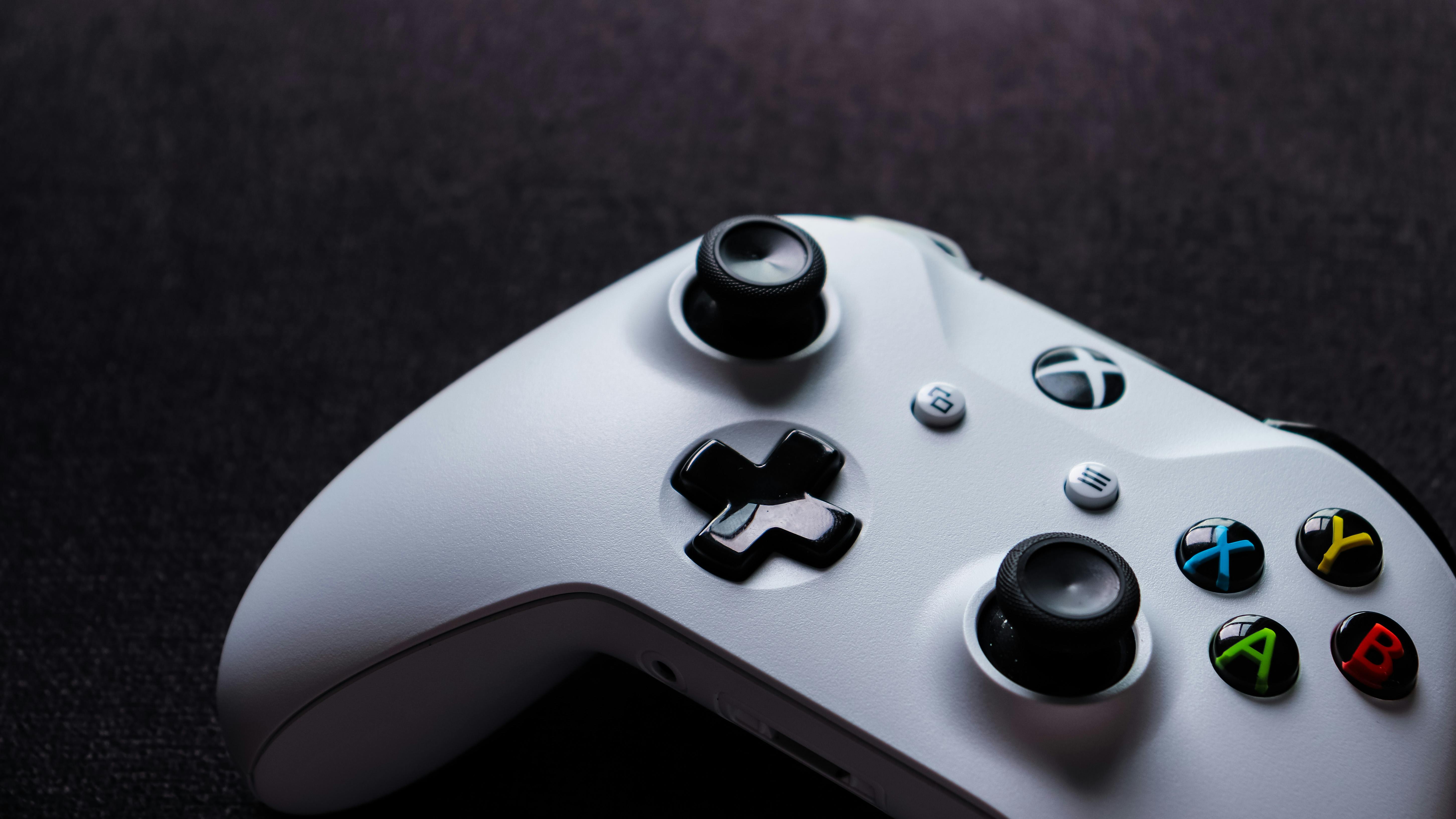
The landscape of home entertainment hardware has officially been recalibrated. On March 5, 2026, following a period of intense speculation catalyzed by significant executive departures within Microsoft’s gaming division, new Xbox CEO Asha Sharma delivered a definitive statement: the next-generation Xbox console is officially under development, codenamed Project Helix. This confirmation, delivered via social media following an internal meeting with Team Xbox, was immediately framed not as a mere hardware refresh, but as a fundamental paradigm shift for the platform, promising a potent union of console fidelity and personal computing flexibility. Sharma explicitly stated that Project Helix “will lead in performance and play your Xbox and PC games,” signaling an aggressive move to dismantle the traditional barriers between gaming ecosystems. This article details the critical pillars of what is known about Project Helix, grounded in the initial reveal and its immediate industry repercussions as of this date.
Defining the Hybrid Paradigm: Console Meets Personal Computing
The most revolutionary element communicated during this initial reveal, and the factor that immediately separated Project Helix from every previous console launch in history, is its stated functional compatibility beyond the traditional confines of the established Xbox ecosystem. The simple yet potentially world-altering declaration that Project Helix “will lead in performance and play your Xbox and PC games” redefines the very essence of what a contemporary console is expected to be. This concept is not entirely alien to the company’s recent trajectory, which has seen an increased emphasis on unifying the gaming experience across Windows PCs through improved application support and cross-platform development initiatives. However, integrating this functionality directly into the dedicated console hardware represents a quantum leap in execution, effectively turning the dedicated device into an extension or perhaps even the apex of the PC gaming experience within the Microsoft sphere.
The Unprecedented Integration of PC Game Libraries
The prospect of a console natively playing PC games is a paradigm shift that strikes at the historical division between the two primary gaming platforms. For years, the console space offered ease of use and curated hardware, while the PC offered flexibility, performance ceilings, and access to a vast, often fragmented, library of titles, including those from competing digital storefronts. Project Helix seems poised to dismantle this separation. The implication is that the console might run a highly optimized, secure, and streamlined version of the Windows operating system or a derivative thereof, capable of natively executing titles developed for the PC architecture. This capability, as widely reported following the announcement, suggests users might eventually access not only their entire digital Xbox library but potentially games purchased through third-party PC platforms, such as Steam or the Epic Games Store, provided the necessary technical and licensing frameworks can be established. This capability fundamentally alters the value calculation for consumers deciding where to invest their time and money in digital game libraries.
Implications for Digital Ownership and Storefront Unification
If Project Helix successfully merges the console and PC experiences, the long-term implications for digital storefront management are staggering. Microsoft has already been aggressively pushing the Xbox application on Windows, attempting to consolidate its digital sales. A successful Project Helix could accelerate the push toward a single, unified digital storefront that services all three major hardware categories: console, desktop PC, and potentially mobile devices via streaming or specialized applications. For developers, this synergy offers an unprecedented opportunity to target a single, high-performance console architecture that shares significant DNA with their existing PC development targets, potentially simplifying cross-platform certification and reducing the development friction associated with platform fragmentation. It suggests a future where a game purchased once is accessible on any compatible hardware within the ecosystem, a concept that would profoundly benefit consumer loyalty and developer reach. This move toward an “open Xbox” ecosystem represents the most significant potential transformation for the platform in years.
Architectural Ambitions: Leading in Next-Generation Performance
The promise that Project Helix “will lead in performance” sets an incredibly high bar for the new system, especially given the technological leaps achieved in the current generation. In the context of a hybrid device meant to run both highly optimized console titles and more broadly compatible PC software, this required performance ceiling must accommodate a significantly wider operational envelope than ever before. This ambition necessitates a completely rethought foundational architecture, moving beyond the established path of incremental refinement.
The AMD Partnership and Semi-Custom System-on-Chip Design
The foundational technology underpinning this performance leap has already seen partial confirmation through the ongoing strategic alliance between Microsoft and AMD. Industry reports, corroborating previous statements from AMD CEO Dr. Lisa Su in February 2026, indicate that the next console will utilize a bespoke System-on-Chip (SoC) developed in close collaboration between the two entities. This semi-custom design is expected to leverage the latest advancements in silicon architecture, likely incorporating a highly advanced CPU and GPU configuration specifically tailored for the unique demands of both native console execution and the more flexible requirements of running PC-centric workloads. The goal is clearly to achieve not just raw teraflops but also efficiency and architectural parity that facilitates the seamless transition between gaming modes, which is crucial for the hybrid model’s success. A targeted launch window, rumored to be situated in the latter half of the decade, suggests the silicon will incorporate leading-edge manufacturing processes to ensure this performance advantage remains competitive. Sources close to the development have indicated that the launch target is currently set for 2027, contingent on the global supply chain for advanced semiconductors remaining stable.
Performance Benchmarks and Target Fidelity Expectations
While concrete specifications remain tightly guarded secrets as of early March 2026, the pledge of market-leading performance implies that Project Helix is not merely aiming for iterative improvements over its predecessors but is targeting significant generational jumps. Industry observers are anticipating capabilities that push toward photorealism under specific rendering conditions, centered around next-generation ray tracing capabilities, dramatically increased memory bandwidth, and potentially new forms of dedicated hardware acceleration for artificial intelligence tasks within the rendering pipeline, a point of sensitivity given the new CEO’s background. The focus will likely be on achieving sustained, high-resolution framerates—perhaps targeting true four-thousand pixel resolution at consistent frame rates—as the baseline, rather than a mere upward scaling of current-generation aspirational targets. The PC compatibility aspect further complicates this, as the system will need to intelligently scale performance for titles that might otherwise require significantly more powerful, disparate PC hardware configurations. This necessitates a sophisticated scaling layer, perhaps akin to the experience demonstrated on high-end PC handhelds, to ensure a smooth experience across the hybrid spectrum.
The Ecosystem Shift: Redefining the Xbox Value Proposition
The confirmation of Project Helix acts as a decisive public statement regarding the future of the Xbox brand itself. It directly addresses the persistent industry narrative that dedicated consoles are becoming obsolete in an era dominated by subscription services and ubiquitous cloud infrastructure.
Reaffirming Commitment to Dedicated Hardware Post-Cloud Speculation
For several years, the prevailing narrative surrounding platform holders has often pitted hardware sales against subscription adoption, with many suggesting a soft pivot away from selling boxes. The Project Helix announcement serves as a powerful counter-narrative, effectively declaring that the physical console remains the premium, high-fidelity portal to the Xbox experience. New CEO Asha Sharma, in an introductory communication to employees, outlined a dual strategy balancing cloud potential with a renewed commitment to the console, stating the platform “connects us to the players and fans who invest in Xbox”. It suggests that while cloud gaming and services like Game Pass will remain vital components—perhaps even serving as the delivery mechanism for PC titles on the new console—they will complement, not replace, the high-performance local hardware. This reassures consumers invested in the console form factor that their commitment to dedicated hardware will be rewarded with a superior, non-streaming-dependent experience for the next console generation. This distinction is critical for maintaining the core console enthusiast base.
Bridging the Console-PC Divide for the Consumer Base
The most significant value proposition shift is the convenience offered to the dual-platform gamer. Consumers who previously maintained separate gaming libraries, purchasing one game on console and another on PC, are now presented with a path to consolidation. This bridging of the divide, making the Xbox a true multi-platform entity within Microsoft’s own walls, simplifies the consumer’s digital life and encourages deeper investment into the Microsoft gaming ecosystem as a whole. It leverages the existing goodwill and content libraries built up on both platforms, offering a single destination that honors the player’s entire history with the brand, regardless of which form factor they previously used to access it. This integrated approach is a powerful tool for customer retention in a highly competitive digital marketplace.
The Leadership Mandate: Asha Sharma’s Inaugural Statement
The context surrounding the announcement—namely, the rapid ascension of the new CEO following significant executive departures on February 20, 2026—lends the Project Helix reveal a heightened sense of urgency and strategic importance. The new leader, Asha Sharma, has chosen a moment of uncertainty to make the boldest possible statement about the future of the hardware.
Navigating the Post-Spencer and Bond Landscape
The transition from the previous era, defined by the leadership of Phil Spencer and Sarah Bond, required a clear and strong declaration of intent. The incoming CEO, bringing a background in AI leadership, needed to immediately establish credibility and a forward-looking vision for the gaming division. Confirming Project Helix, an initiative that was likely already underway but perhaps lacking public definition, immediately signaled continuity in the hardware commitment while simultaneously promising a transformative next step. This action directly addresses the vacuum of confidence, establishing the new leader’s primary focus: delivering a powerful, next-generation console experience that incorporates lessons learned from the previous years’ cross-platform experiments. Sharma has vowed to honor the previous culture focused on player-driven decisions while using her expertise to grow the business.
The Strategic Importance of the Upcoming Developer Conference Presentation
The explicit mention of an upcoming keynote presentation at a major, industry-spanning developer conference—specifically the Game Developers Conference (GDC) the week following the announcement—underscores the planned strategic rollout. This is not meant to be a protracted, mysterious reveal; rather, the initial confirmation is a strategic appetizer preceding a much larger, detailed presentation aimed squarely at the development community. At this event, the executive is expected to elaborate on the architectural decisions, the software development kits (SDKs), and the tools that will enable studios to build games that capitalize on the hybrid nature of Project Helix. For developers, GDC is the critical venue where the technical realities and opportunities of a new platform are laid bare, and Sharma’s presence there signals her intention to engage directly with the creators whose buy-in is essential for the console’s success.
Developer Repercussions: Simplifying the Path to Multi-Platform Success
The shift toward a more PC-like architecture within the console hardware carries profound consequences for the development and publishing pipelines across the entire interactive entertainment industry. Traditionally, developing for a console required specific porting efforts to account for proprietary APIs, unique memory layouts, and closed operating environments.
Streamlining Porting Pipelines and Middleware Integration
If Project Helix truly embraces a structure closer to a generalized PC architecture, the technical overhead associated with bringing a multi-platform title to the Xbox platform could be drastically reduced. Developers utilizing widely adopted PC-centric game engines and middleware would find their paths to optimization significantly smoother. This reduction in platform fragmentation translates directly into faster development cycles, lower costs, and potentially higher quality releases across the board, as engineering resources previously dedicated to platform-specific remediation can be redirected toward enhancing graphical features or gameplay complexity. This structural alignment inherently lowers the barrier to entry for developers already targeting the PC market. The goal is to make the console so ubiquitous and seamless to the PC versions that developers will find it unquestionably worth their time to target Xbox hardware.
The Potential for Expanded Development Toolsets
Furthermore, the shared architectural language between Project Helix and high-end gaming PCs suggests that the development toolchains might also converge. Instead of relying solely on specialized console development kits, studios could leverage familiar PC-based debugging, profiling, and build environments, integrating them more seamlessly with the console’s specific performance monitoring features. This synergy could foster greater innovation, as developers spend less time wrestling with platform constraints and more time exploring the new capabilities promised by the next-generation silicon. The new environment will rely heavily on updated SDKs being prepared for the GDC rollout to manage the complexities of the hybrid environment effectively.
Anticipated Timeline and Market Positioning
While the confirmation is exciting, the practicalities of hardware release cycles dictate a longer-term view for consumers and investors alike. The industry must balance hype with manufacturing realities.
Inferred Launch Window and Manufacturing Dependencies
Based on industry reporting referencing statements from key hardware partners, the target for the physical launch of Project Helix appears to be set for 2027, aligning with typical generational shifts but also accounting for the complexities of ramping up production for a potentially radically new SoC design. Furthermore, the entire global supply chain remains a sensitive variable; any lingering constraints in advanced semiconductor manufacturing could introduce delays, pushing the anticipated launch further out. The company will need to manage expectations carefully, using the period between the confirmation and the physical launch to systematically reveal the hardware’s capabilities without suffering from the prolonged anticipation fatigue that can accompany lengthy console reveal cycles.
Competitive Landscape Analysis for the Late Twenties
Project Helix is being designed to enter a competitive landscape that will likely feature established hardware from its primary rivals, which will themselves be evolving through mid-generation refreshes or new architectures. The unique hybrid selling point of playing PC games on the console will be the crucial differentiator, provided it is executed flawlessly. Its market positioning will likely target the high-end enthusiast who values both the curated, simple experience of a console and the vast library access historically reserved for PC owners. The success of this strategy will depend on how effectively Microsoft can communicate the value of this integration over the perceived simplicity of a closed ecosystem counterpart. This strategy is seen as putting real distance between Microsoft’s future gaming strategy and that of its primary console competitor.
Glimpses Beyond the Tease: Forward-Looking Considerations
The initial announcement has opened a floodgate of secondary questions that will need to be addressed in the coming months leading up to a full reveal. The hardware may be codenamed, but the user experience remains entirely speculative.
The Enigmatic Nature of the Project Helix Logo
The simple visual element released alongside the confirmation—the logo—has already spurred significant fan theorizing. Its clean lines and subtle geometric patterns have led some to speculate about underlying design motifs, potential backward compatibility indicators, or even hints at the final retail branding, which is rarely the codename itself. While likely just a marketing asset for the internal development phase, its public dissemination suggests an intentional move to engage the community early, inviting them into the iterative discovery process that surrounds next-generation hardware development.
Questions Surrounding Operating System Evolution and User Interface
Perhaps the most significant unanswered technical question revolves around the operating system that will power this hybrid machine. If the console is to run PC games, what does the user interface look like? Will it be a single, seamless environment where the line between the console dashboard and the Windows shell is virtually invisible, perhaps leveraging the ‘Xbox Full Screen Experience’ seen in PC handhelds? Or will there be a distinct launch mode for PC titles, perhaps akin to launching an application on a current-generation system, but with far greater access to underlying system resources? The quality of the user experience, especially the management of cross-platform game licenses and updates, will ultimately determine whether Project Helix feels like a revolutionary convergence or a complicated compromise. The ongoing development of the underlying operating environment, including solutions for the sometimes-unstable nature of the standard desktop OS when applied to a closed appliance, will be a critical focus for the incoming leadership as they prepare for their GDC discussions. The ability to address potential system instability or security concerns inherent in a more open architecture will define the platform’s perceived reliability. The industry awaits further illumination on these core components of the Project Helix vision.