





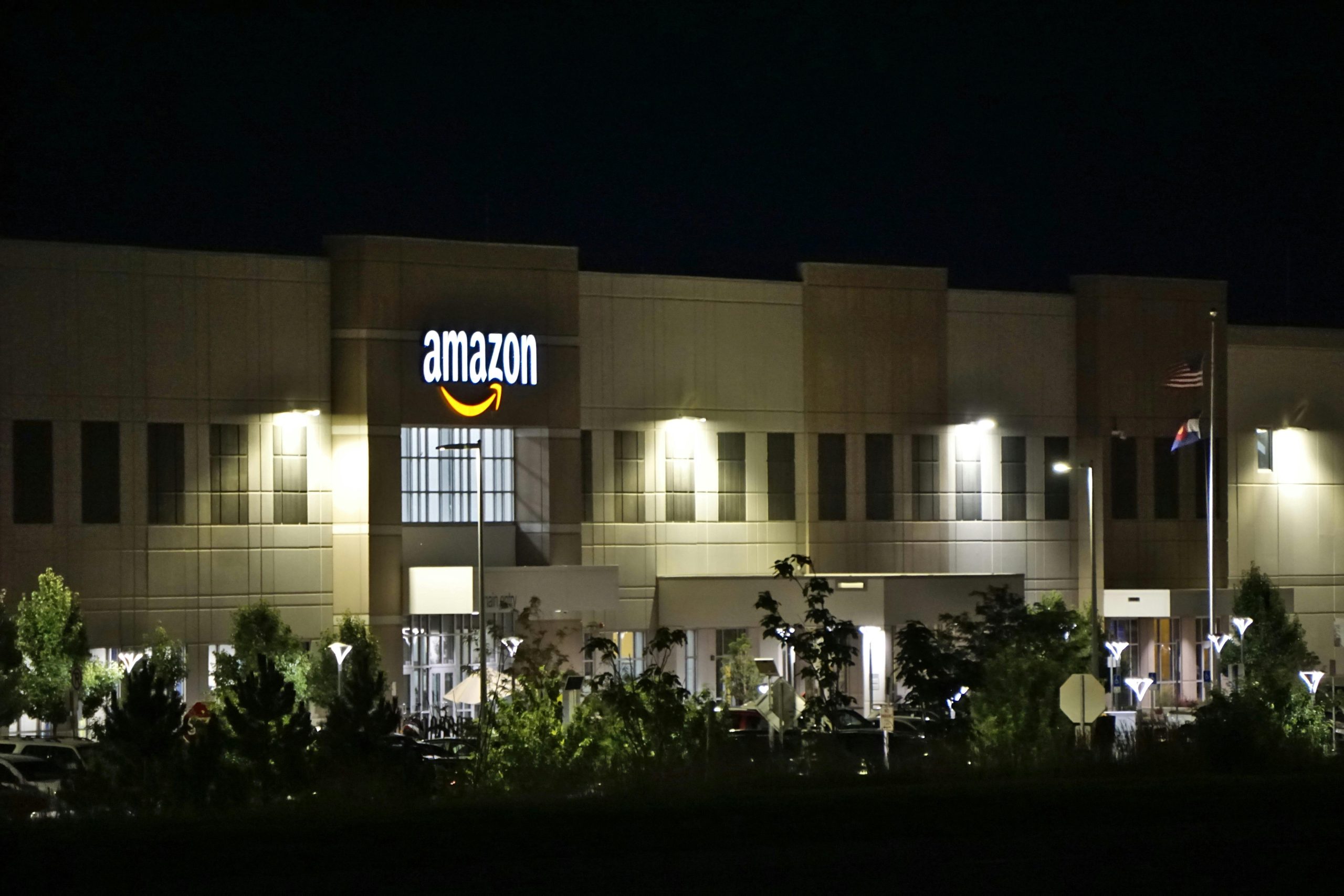
Scale and Scope of the 2025 Black Friday Walkout: A Calculated Disruption
The mobilization effort for the Black Friday 2025 action demonstrated a significant level of coordination and motivational planning by the union organizers. Organizing such a widespread, simultaneous stoppage requires immense logistical effort to ensure the maximum impact across the geographical footprint of Amazon’s German infrastructure. This was a strategic operation, not a spontaneous reaction.
Geographic Concentration Across Key Distribution Hubs
The industrial action was not scattered randomly; it was strategically focused on several core Amazon fulfillment centers to ensure the disruption was felt across a wide swath of the company’s German distribution network. Reports indicated anticipated participation from major hubs including:
This geographic spread is crucial. It effectively prevents the company from simply rerouting high-priority orders to unaffected facilities, thereby magnifying the pressure point on the overall national fulfillment capacity precisely when the company is most vulnerable. By hitting these key nodes, the union ensured the message—and the operational pinch—was delivered where it mattered most.
Union Estimates Versus Corporate Projections on Participation Levels
As is tradition in any major industrial standoff, the narrative surrounding participation numbers always features a notable divergence. Services union Verdi projected that approximately three thousand workers would participate in the walkout, a figure designed to demonstrate significant internal dissent and the breadth of their organizing success. Conversely, the company’s public response predictably downplayed the impact, often emphasizing that the overwhelming majority of its workforce remained on the job. This contrast—the union highlighting the potency of the organized contingent versus the corporation emphasizing the loyalty of the rest—forms a crucial element of the ongoing public relations and perception battle surrounding the strike, and it dictates the perceived success of the action.
The Organized Power Behind the Picket Lines: Global and Local Coordination
The success and coherence of the Black Friday stoppage are intrinsically linked to the organizational capabilities and long-term commitment of the labor bodies orchestrating the action. This movement is not some fleeting, spontaneous employee outburst; it is a disciplined, well-funded campaign managed by established entities with significant experience in negotiating with multinational giants.
The Pivotal Role of the Verdi Services Union in Coordinating Efforts
The German services union, Verdi, acted as the primary organizational engine for this specific wave of industrial unrest. Verdi’s extensive network within the service and logistics sectors provides the necessary legal framework, logistical support, and consistent presence required to sustain a complex, multi-site strike action. Their involvement ensures that the workers’ demands are articulated through an established legal and industrial relations channel, lending credibility and weight to the proceedings that individual worker action might otherwise lack. For anyone tracking European labor movements, Verdi’s methodical approach is a masterclass in sustained industrial pressure, often involving long-term strategies to protect striking workers’ funds.
International Solidarity within the Global “Make Amazon Pay” Framework. Find out more about Amazon collective bargaining mandate Germany demands strategies.
Perhaps the most potent element of this action is its framing. The German strikes were explicitly tied into a much larger, internationally coordinated effort known as the “Make Amazon Pay” campaign. This global initiative, spearheaded by international union bodies like UNI Global Union and advocacy groups like Progressive International, links the German struggle to similar actions occurring across continents—from India to the US. This global alignment provides crucial moral support, shares best practices in labor organization, and strategically focuses international pressure on the corporation during its most profitable sales period. It’s a demonstration of a united front against perceived international corporate overreach, showing that the fight for fair labor practices has no borders.
Corporate Countermeasures and the Narrative of Operational Resilience
In response to the targeted Black Friday stoppage, Amazon characteristically deploys a consistent public relations and operational strategy aimed at mitigating perceived risk and reassuring investors and consumers alike that the disruptions are negligible to overall performance. This strategy involves both explicit public statements and underlying logistical adjustments executed long before the pickets went up.
Public Relations Stance on Business Continuity During the Event
The company’s immediate public assertion is almost invariably that the industrial action will have no material impact on customer orders or the timely delivery of goods. This proactive communication is intended to dampen any consumer concern about potential delays during the critical holiday shopping window and to project an image of operational invulnerability. The message is clear: the strikers represent a small fraction of the total workforce, and contingency plans—relying heavily on temporary staff and network redundancy—are fully in effect. While this narrative is powerful for stock markets, it often fails to resonate with the workers themselves who are experiencing the stress of the *next* shift that has to pick up the slack.
Amazon’s Consistent Defense of Existing Compensation and Benefits Structures. Find out more about Amazon collective bargaining mandate Germany demands overview.
Alongside minimizing the strike’s impact, the corporation consistently reiterates its commitment to offering competitive compensation and a robust benefits package. This defense serves to counter the union’s narrative by highlighting the financial packages offered to its logistics workforce. The company often emphasizes starting wage rates and comprehensive non-wage benefits, thereby framing the workers’ discontent as being disconnected from the tangible, already provided value of their employment. The question workers often pose in response is: Are wages competitive with *other large employers*, or are they competitive with *what the work is actually worth* given the physical demands and algorithmic pressure?
Cross-Sectoral Labor Solidarity and Expanding Protest Horizons
A significant takeaway from the 2025 labor unrest is that it has not remained exclusively confined to Amazon’s logistics facilities. Instead, it has signaled a broader appetite for organized pushback against dominant corporate practices, extending into related retail sectors and, crucially, triggering greater regulatory oversight in multiple jurisdictions.
Sympathy Actions and Parallel Demonstrations Targeting Retail Peers
A notable feature of the 2025 labor activity was the extension of industrial action beyond the immediate confines of the Amazon network. For instance, planning for separate, high-profile protests outside Zara stores across Europe demonstrated a growing solidarity among European workers. These actions were explicitly aimed at pressuring that retailer to reinstate a profit-sharing program, showing a unified front against perceived unfairness within the broader retail and fast-fashion supply chain. This cross-pollination of protest tactics—where one industry’s action inspires another—shows a shared recognition of common labor challenges in the modern economy. It suggests that workers are realizing that the issues underpinning fulfillment center stress are present in nearly every sector where speed and digital monitoring are prioritized.
The Link Between Warehouse Disputes and Regulatory Scrutiny
The escalating nature of labor disputes, particularly those involving accusations of union-busting and unfair labor practices, naturally draws the attention of governmental and regulatory bodies. In the United States, for instance, recent legal filings, such as the National Labor Relations Board (NLRB) complaint concerning events in a San Francisco facility (DCK6), illustrate a tangible consequence of labor friction manifesting as formal legal challenges. The NLRB filing in June 2025 sought to reinstate fired workers and award back pay/promotions, escalating pressure after an earlier case required the company to bargain with the Teamsters at that site. Such regulatory interventions in one major market often create legal precedents and embolden similar oversight efforts in other jurisdictions, including Germany, thereby increasing the long-term compliance risk for the corporation across the board.
Anticipated Repercussions and the Trajectory for Future Negotiations. Find out more about Black Friday 2025 Amazon warehouse walkout impact definition guide.
While the immediate, disruptive goal of the Black Friday strike is clear—to stop or slow down sales on the biggest day—its long-term success will ultimately be measured by its influence on future labor negotiations and the subsequent evolution of the relationship between the company and its German workforce moving into the next fiscal year.
The Potential Impact on Holiday Fulfillment Schedules Beyond Black Friday
Even if Amazon successfully manages the immediate Black Friday volume by leveraging its 12,000 seasonal workers, the lingering effects of the labor action could carry consequences throughout the remainder of the crucial holiday fulfillment season. This includes potential short-term slowdowns as workers return, or a general morale impact that affects productivity for weeks. More importantly, a successful demonstration of worker resolve today may inspire more workers to participate in planned follow-up actions or ‘slowdowns’ during the lead-up to Christmas, effectively maintaining pressure beyond the initial peak sales day and into the final shipping deadlines.
Evaluating the Leverage Gained for Subsequent Contract Talks in the New Year
Ultimately, the significance of the 2025 Black Friday action will be judged by the leverage it provides the union heading into the next round of formal contract talks, likely scheduled for early in the subsequent year. A high-profile, well-attended strike during such a vital commercial period puts the company in a far less stable negotiating position than if the dispute had occurred during a slower business cycle. This demonstration of collective power solidifies the union’s mandate—showing management they have the organization to disrupt billions in revenue—and increases the perceived cost to the corporation of continued intransigence. This sets a potentially more productive, albeit still contentious, tone for future industrial dialogue centered on better employee relations.
Conclusion: Actionable Insights from the Picket Line
The Black Friday 2025 strike by Amazon associates in Germany was far more than a temporary hiccup in the supply chain; it was a loud, highly organized statement about the future of work in the age of e-commerce dominance. The key takeaway is that workers are increasingly willing to sacrifice a day’s pay to fight for long-term structural guarantees like a collective bargaining agreement, and they are coordinating globally through movements like “Make Amazon Pay” to maximize impact. Here are the actionable insights for anyone tracking this space:
- The Demand for Governance is Primary: Focus on the fight for a collective agreement. This is the mechanism that institutionalizes workplace dignity, safety, and fair wages, moving control away from unilateral algorithms.
- Solidarity Spreads: The explicit linking of the action with protests against Zara demonstrates that labor organizing is seeing cross-sector cooperation. Challenges to one retail giant will likely inspire or support challenges to others.
- Regulators are Watching: The NLRB action in the US shows that internal disputes often translate into external legal risk for the company, which can create a global chilling effect on labor-suppression tactics.
The central tension for the coming year will be whether this peak-day pressure translates into a meaningful shift in the company’s stance on formalized worker representation. Will the company engage in good-faith negotiation, or will it absorb the cost of the strike and attempt to regain control in the quieter first quarter? The world is watching to see how the logistics giant responds to the demand for shared power. What are your thoughts on the effectiveness of globally coordinated peak-day strikes? Do you believe this action will force a change in the company’s stance on collective bargaining in 2026? Share your perspective in the comments below—let’s discuss the future of e-commerce labor trends.



