
Microsoft Will Add Gaming Copilot To Xbox Series Consoles in 2026
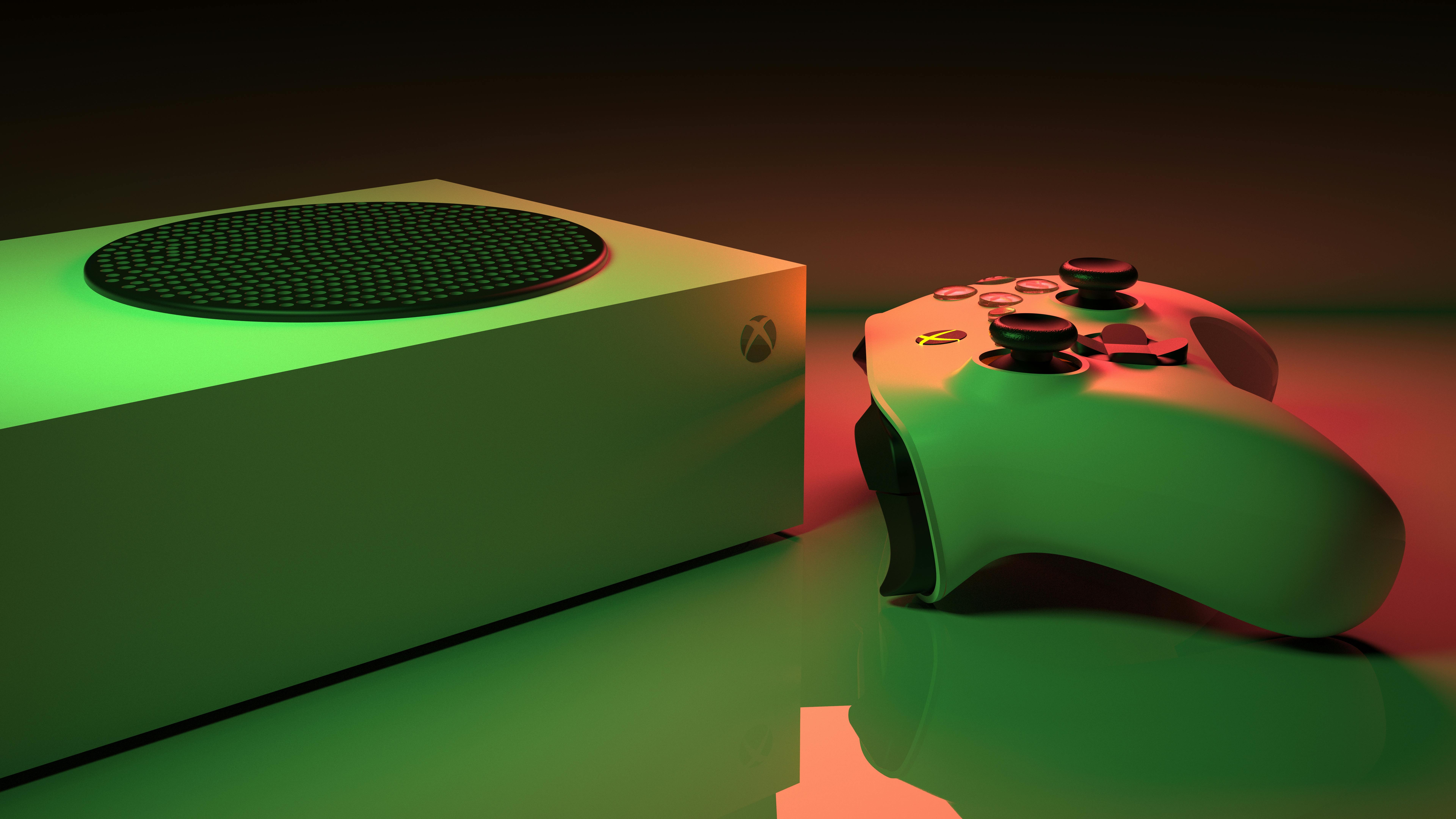
The landscape of digital entertainment is undergoing a profound transformation as artificial intelligence becomes deeply embedded into the gaming ecosystem. During the 2026 Game Developers Conference (GDC), Microsoft confirmed a significant milestone in this evolution: the company’s Gaming Copilot, an AI-powered assistant, is officially slated to arrive on current-generation Xbox Series X|S consoles before the end of 2026.
This development marks the transition of Gaming Copilot from a beta-tested utility on Windows 11, mobile devices, and handhelds like the ROG Xbox Ally, into a native feature for living-room console hardware. By bringing this technology to the Xbox Series X|S, Microsoft is signaling a shift in how players interact with their games, moving away from external search engines and toward an integrated, AI-driven support system.
The Evolution of the Gaming Sidekick
Gaming Copilot is designed to function as a personal gaming assistant, aiming to help users “get to the fun, faster.” Since its initial rollout in beta form in late 2025, the tool has focused on providing contextual assistance that respects the flow of gameplay. As of March 2026, the feature has been refined through extensive feedback from the Xbox Insider community across PC and handheld platforms.
The core functionality of the assistant includes:
- Contextual In-Game Help: Players can ask for guidance on specific challenges, such as quest objectives, crafting recipes, or strategy tips for difficult boss encounters, without needing to pause the game or reach for a secondary device.
- Personalized Recommendations: The AI analyzes a player’s unique gaming history and preferences to suggest new titles that align with their interests.
- Account Insights: Users can query the assistant for information regarding their account, such as subscription renewal dates or achievement progress.
On console hardware, Microsoft anticipates that voice commands will be the primary method of interaction, streamlining the experience for players who prefer not to navigate menus or use on-screen keyboards during active gameplay.
A Cautious Approach to AI Integration
Microsoft’s strategy for integrating AI into the Xbox ecosystem has been characterized by a deliberate, player-first approach. During the GDC 2026 presentation, Xbox gaming AI partner group project manager Sonali Yadav emphasized that the company is committed to expanding the assistant to more services while maintaining a focus on user experience and developer support.
A critical component of this rollout is the relationship between AI and game creators. Microsoft has been vocal about ensuring that creative control remains firmly in the hands of developers. General manager of gaming AI, Haiyan Zhang, noted that the goal of these features is to support the vision of game teams, broaden the reach of titles, and deepen player engagement rather than undermining the original design intent of the software.
Furthermore, the company is exploring ways to license content from guide creators, acknowledging the vital role that the community has played in building the knowledge base that informs gaming advice. This reflects a broader effort to balance the efficiency of AI with the necessity of protecting the intellectual property and contributions of the gaming community.
Looking ahead to the next generation of play
The decision to incorporate an intelligent assistant into current-generation consoles is a bold move that highlights the direction in which the gaming industry is heading. By focusing on the integration of artificial intelligence, the platform is preparing itself for a new era of digital interaction. As we look forward to the launch in the coming year, it is clear that the focus has shifted from raw hardware specifications to the utility and intelligence of the software ecosystem.
The long term vision for gaming interaction
Looking past the 2026 rollout, the Gaming Copilot represents the first step toward a completely different way of interacting with digital entertainment. We are moving toward a future where games are not just static programs but dynamic entities that can converse with the player. The goal is a world where the line between the player and the software is blurred by intelligent communication. This vision suggests a future where characters in games might one day be powered by similar underlying models, allowing for unscripted, natural conversations and deeper immersion than current technology allows.
Concluding thoughts on the trajectory of consoles
The success of this project will likely define the next half-decade of console development, proving that the most important feature of a console is not just how it plays, but how it helps the player achieve their goals within the digital worlds they explore. As Microsoft continues to refine its AI offerings, including other initiatives like Auto Super Resolution for handhelds, the company is positioning itself to lead the transition into an agentic, AI-enhanced gaming future, with the upcoming Xbox Project Helix likely to build upon these foundational developments in the years to follow.