






Tesla Enters UK Retail Energy Market: A Strategic Pivot Amid Automotive Headwinds
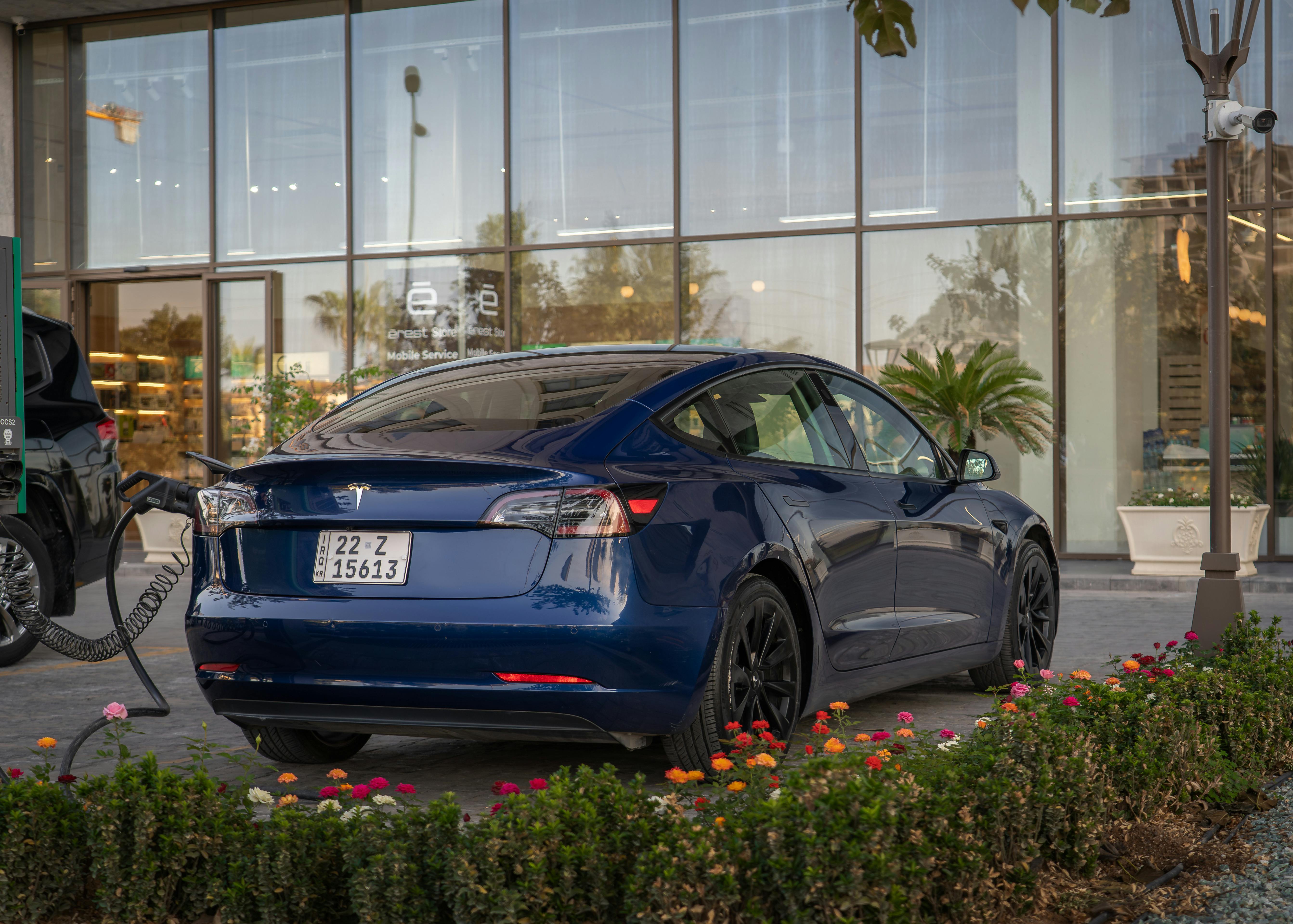
The announcement from London in mid-March 2026 confirms a major strategic evolution for Elon Musk’s Tesla: the company, through its subsidiary Tesla Energy Ventures Limited, has secured a full electricity supply licence from the UK’s energy regulator, Ofgem. This authorization, effective March 11, 2026, following a rigorous assessment process initiated in July 2025, signals Tesla’s intent to move beyond merely selling hardware to becoming a direct, full-service competitor in the residential and non-domestic retail energy market across Great Britain. This development positions Tesla to directly challenge established utility giants such as Octopus Energy, British Gas, and EDF Energy, marking a calculated move to integrate its energy ecosystem at the consumer endpoint.
Strategic Context: Tesla’s Shifting Priorities in the UK
This significant pivot toward energy retail must be viewed against the backdrop of concurrent challenges and shifts occurring within Tesla’s primary automotive business segment in the same market. The energy expansion offers a vital diversification pathway, representing a move to stabilize and diversify revenue streams away from the increasingly volatile passenger vehicle sector.
Decoupling Energy Ambitions from Automotive Sales Performance
The energy division provides a strategic lane for growth that is fundamentally decoupled from the cyclical and increasingly competitive passenger vehicle market. While the company’s brand remains synonymous with electric mobility, market dynamics in the UK have presented headwinds for vehicle sales. The ability to generate revenue and build customer relationships via essential utility services offers a layer of financial stability and market engagement less susceptible to immediate fluctuations in consumer appetite for new cars or broader macroeconomic shifts impacting discretionary spending. This allows the company to leverage its installed base of hardware—Powerwalls, solar panels, and EVs—into a recurring utility revenue stream, effectively closing the loop on its integrated energy vision.
Contrasting Fortunes: Energy Expansion Versus EV Market Share Decline
The licensing news arrived starkly contrasted with the latest figures from the automotive sector. Data from the preceding year, 2025, confirmed that the manufacturer’s vehicle deliveries in the UK market suffered a year-on-year contraction, falling by nearly nine percent. Full-year 2025 UK registrations totaled 45,113 cars, a 9.58% drop compared to 2024. This downturn is attributed to two primary factors: the intensifying competition posed by lower-priced, high-volume Chinese electric vehicle manufacturers, and a noticeable consumer backlash in certain segments linked to the public political commentary and activities of the company’s principal executive. Reports from late 2025 detailed significant monthly slumps, such as a registration figure of only 511 units in October 2025, which was less than half the number sold in October 2024. The energy venture thus serves as a crucial area of focus where the company can demonstrate leadership and growth momentum independent of these specific automotive pressures.
Broader Corporate Footprint and Infrastructure Development
While the retail supply licence focuses on the residential customer, the broader strategic ambition encompasses utility-scale infrastructure projects across Europe, positioning the company as a major energy player beyond the direct consumer relationship.
The Existing Foundation of Power Generation Assets
The groundwork for this retail expansion was laid years prior. As noted, the pre-existing generation licence, secured by the separate entity Tesla Motors Limited in June 2020, paved the way for infrastructure deployment. This existing operational history in grid services—such as participation in frequency regulation via large-scale battery installations—provides institutional credibility with the national system operator that complements the new retail licence’s focus on the consumer endpoint. Furthermore, the company has already integrated UK Powerwall owners into a Virtual Power Plant (VPP) network through a partnership with Octopus Energy, allowing for the export of surplus stored electricity back to the grid. The new supply licence allows Tesla to now directly retail this power, closing the loop on their existing customer base.
Global Scale and Utility-Grade Battery Storage Progress
The news from the UK is set against a backdrop of continued, aggressive scaling in Tesla’s utility-scale storage sector globally. By the end of 2024, the company had secured the top ranking in the global Battery Energy Storage System (BESS) integrator market for the second consecutive year, commanding an estimated fifteen percent of the worldwide share. This leadership, while significant, is being challenged, with the closest Chinese rival, Sungrow, narrowing the gap to just one percentage point behind Tesla’s 2024 global share. In North America, Tesla’s dominance remains clearer, holding a commanding 39% market share in 2024.
This global scale is tangibly reflected in major European initiatives. For instance, in December 2025, the company secured a major contract with Matrix Renewables for a 500 MW battery energy storage system in Eccles, Scotland, a 1 GWh Megapack project situated along critical transmission corridors between Scotland and England. This infrastructure is engineered to store excess renewable wind energy that might otherwise be curtailed. The centralized software capabilities driving these massive deployments, such as the Autobidder AI system used for managing grid services, underpin the robust, centralized software capability that will eventually power the localized VPPs and retail offerings in the UK.
This expansion into large infrastructure projects, alongside the new retail capability, cements the company’s evolution into a comprehensive global energy infrastructure entity. The ultimate realization of this strategy in Britain means that the infrastructure of the future, as envisioned by the company—where homes and businesses can produce, store, and manage their own power—is now being actively constructed across the UK’s domestic and corporate power supply networks. This entire evolution signals a profound commitment to restructuring how energy is owned, managed, and transacted for the benefit of a cleaner, more resilient national system.