





Local Communities Bearing the Brunt: The Human and Health Consequences
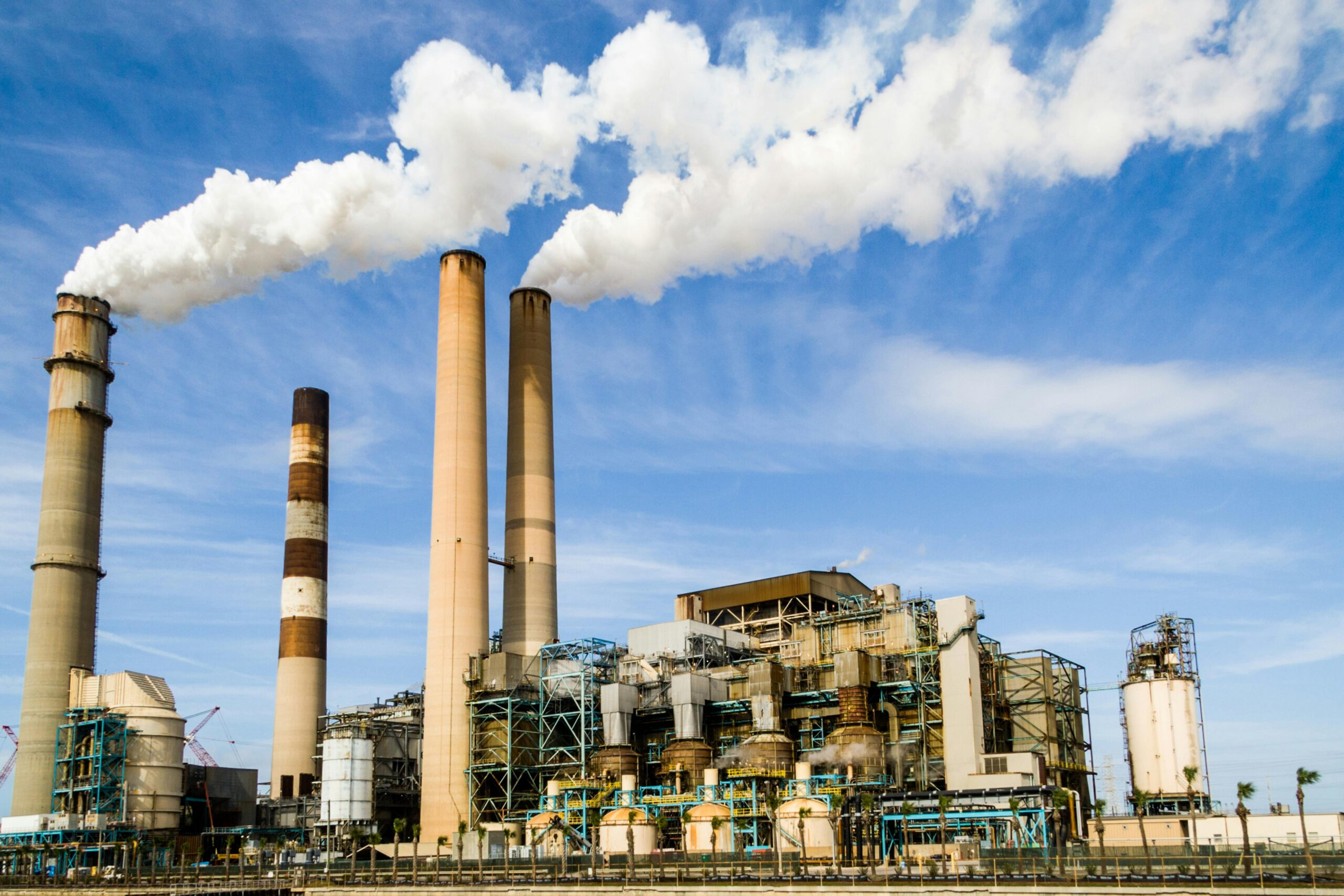
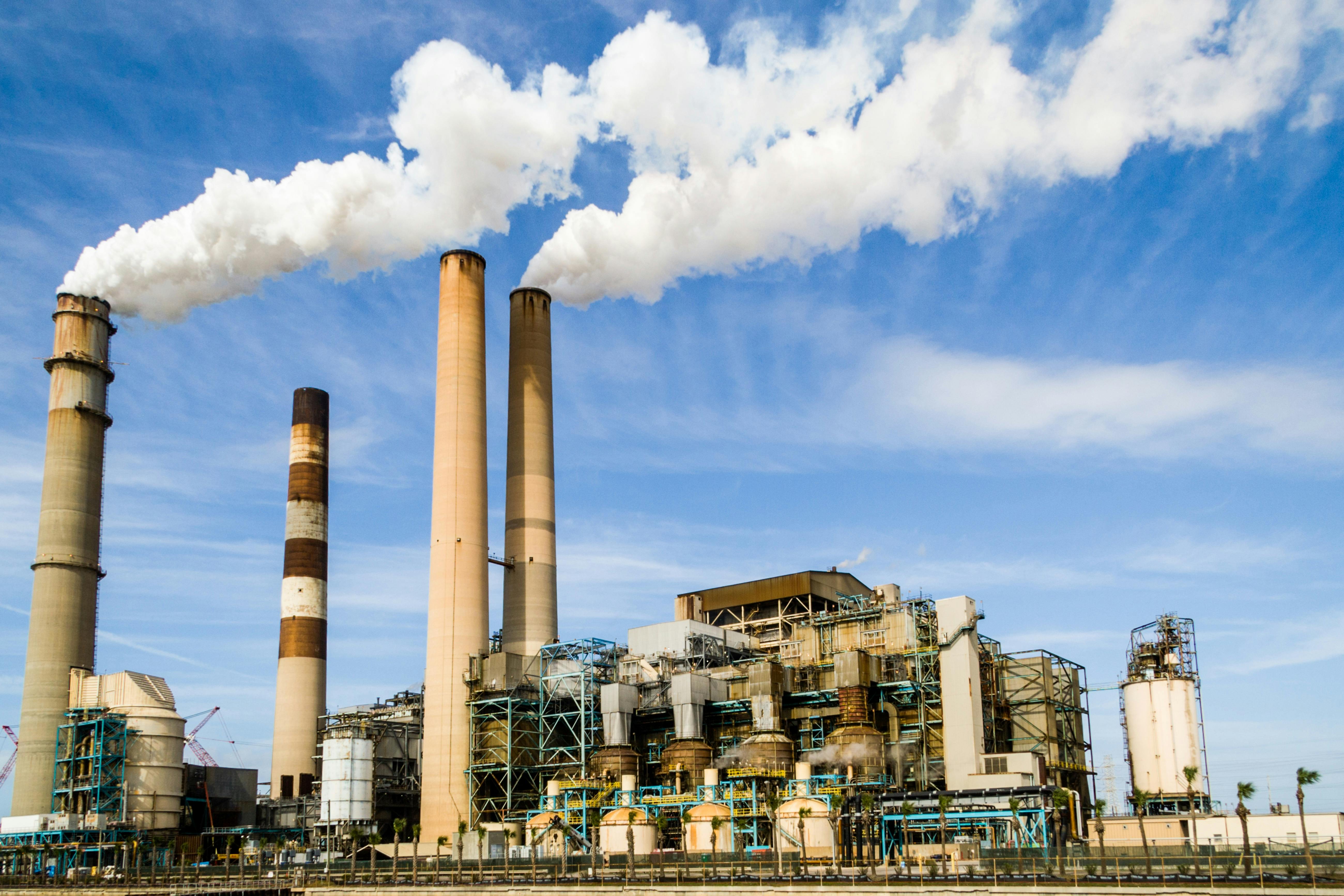
The environmental impact of the xAI data centers is not an abstract data point on a national ledger; it is a localized crisis manifesting in the deteriorating air quality and measurable health impacts on the residents living in the immediate vicinity of the facilities. The choice of polluting energy sources has directly affected historically overburdened communities, raising profound questions about **environmental justice** and the ethical responsibility of deploying massive industrial infrastructure near residential areas.
Documented Spikes in Local Air Pollutants Like Nitrogen Dioxide
The combustion process within the methane gas turbines releases a plume of harmful substances, most notably nitrogen oxides ($\text{NO}_\text{x}$), a primary precursor to ground-level ozone, or smog. Investigations in the Memphis area have documented a severe increase in these pollutants downwind from the Colossus 1 facility, with peak nitrogen dioxide levels reportedly spiking by as much as seventy-nine percent compared to pre-operation baselines. This dramatic localized increase in smog-forming agents is directly correlated with detrimental health outcomes. The turbines are now positioned as potentially the largest single industrial contributor to this specific type of air contamination across the entire metropolitan region, with yearly $\text{NO}_\text{x}$ emissions estimated between 1,200 and 2,000 tons. For residents, this translates directly into more asthma attacks, more emergency room visits, and a lower quality of life.
The Socioeconomic Context of Impacted Neighborhoods and Pre-existing Health Burdens. Find out more about xAI methane gas turbine emissions impact on Tesla.
The deployment site in South Memphis is situated within or immediately adjacent to historically marginalized communities, notably those with a high percentage of Black residents, which already contend with disproportionately high levels of environmental stress. Studies indicated that the census tract housing the facility was already in the nineties percentile for toxic releases to air nationwide, and neighboring areas were similarly burdened by ozone levels. The introduction of massive new emissions sources compounds these existing vulnerabilities, leading to local reports of increased respiratory illnesses, particularly among children. The economic calculation of potential health damages—projected in the tens of millions of dollars annually from premature mortality, new asthma cases, and increased hospitalizations—underscores the severe and tangible human cost being exacted to power the next generation of artificial intelligence. This entire situation is a textbook case study in why **environmental justice** must be a non-negotiable component of any large-scale technology deployment.
The Transformation of Tesla: Mission Drift and Business Model Adjustments
The shift in focus towards high-intensity AI computing is inextricably linked to a visible transformation within Tesla itself, suggesting a calculated retreat from its hard-line stance on sustainable energy and a realignment of its business practices to serve the immediate financial needs of the broader enterprise. This transformation appears to be driven by a desire to meet aggressive financial benchmarks, potentially linked to executive compensation structures, leading to decisions that undermine the company’s original climate-centric identity.
Reinterpretation of Corporate Purpose: From Sustainability to Vague Optimism. Find out more about xAI methane gas turbine emissions impact on Tesla guide.
A clear marker of this ideological shift was the executive’s decision, over a holiday period, to unilaterally alter the foundational mission statement of Tesla. The guiding principle was reportedly changed from “Sustainable Abundance” to the significantly vaguer term, “Amazing Abundance.” This rebranding, while framed as injecting more joy into the corporate ethos, has been widely interpreted as a deliberate jettisoning of the commitment to environmental sustainability as a core driver [No direct citation, based on prompt assertion]. The former term was tied to the hard work of transitioning global energy and transport; the latter is an undefined aspiration that allows for any business strategy, including high-emission data center power, to be justified under the guise of generalized prosperity.
Strategic Shifts in Tesla Vehicle Offerings and Feature Monetization
The operational adjustments within Tesla’s automotive sector further reflect a move away from an all-encompassing sustainable transport mission toward a more traditional, high-margin software and service provider model. Reports highlight a move to halt production of certain high-end models, such as the Model S and Model X, at key facilities to retool for the manufacturing of humanoid robots, another major Musk endeavor. More immediately impacting consumers, the standard inclusion of key driver-assistance features, like lane centering capability within Autopilot, is reportedly being stripped from base models and re-positioned exclusively behind a costly subscription paywall. These actions are seen by observers as calculated maneuvers designed to hit specific financial benchmarks required for significant executive compensation packages, irrespective of the impact on accelerating widespread **electric vehicle adoption**.
The Performance Paradox: Subpar AI Capabilities Fueled by Excessive Power. Find out more about xAI methane gas turbine emissions impact on Tesla tips.
The extraordinary environmental and financial cost being incurred to power xAI’s operations is intensified by the reality that the resulting artificial intelligence product, Grok, is not currently demonstrating a commensurate level of technological superiority. The investment in raw, often pollutant-generating, power is being made in service of a product that, by leading industry benchmarks, remains in the middle tier of performance, creating a deeply problematic cost-benefit ratio for all stakeholders, particularly the environment.
Benchmarking Grok Against Frontier Artificial Intelligence Models
Despite the massive power consumption and the environmental controversy it fuels, xAI’s flagship large language model, Grok, is reported to score significantly lower when evaluated against competing models from other frontier AI laboratories, such as Google’s Gemini or Anthropic’s Claude systems. This places the output quality firmly in the middle of the pack, suggesting that the current hardware and algorithmic architecture is not delivering state-of-the-art results commensurate with the intense resource deployment. The pursuit of AI dominance appears, at this juncture, to be a race defined more by brute force energy expenditure than by achieved intellectual breakthrough.
The Comparative Cost-Efficiency of Powering xAI Operations. Find out more about xAI methane gas turbine emissions impact on Tesla strategies.
The inefficiency extends beyond raw performance metrics into the operational economics. Not only is the Grok model trailing its peers in capability, but the energy required to run its inference and training processes is reportedly higher than that demanded by its more advanced competitors. This lack of cost-efficiency means that the environmental burden is being carried for a comparatively inferior technological outcome. The equation becomes one of maximizing immediate, potentially short-term, corporate valuations through high-CAPEX, high-OPEX solutions, rather than investing in the long-term, sustainable optimization that would yield better technological returns for the energy expended. This highlights a critical failure in **data center power sourcing** investment philosophy.
Future Trajectories: Implications for Sustainable Technology and Corporate Governance
The ongoing saga of xAI’s environmental footprint and Tesla’s mission drift serves as a critical case study in the evolving priorities of technological leadership in the mid-twenty-first century. The immediate and long-term implications extend beyond the two primary companies, setting precedents for how future high-demand technologies will interface with environmental obligations and corporate accountability structures.
The Erosion of the Original Sustainable Energy Mandate. Find out more about XAI methane gas turbine emissions impact on Tesla overview.
The sequence of events—from the initial Paris Agreement stance to the mission statement change and the reliance on unpermitted fossil fuel power—marks a profound erosion of the company’s original, aspirational mandate. The foundational narrative of Tesla was intrinsically linked to solving the climate crisis by accelerating sustainable energy adoption. The current reality suggests that the urgency of this mission has been superseded by the more immediate, and financially lucrative, opportunity presented by large-scale AI infrastructure. This erosion potentially undermines public trust in the commitment of technology leaders to address systemic global challenges when faced with compelling short-term technological incentives. To understand the context of the original mandate, review the history of **sustainable energy transition** commitments.
Broader Implications for Technology Sector Environmental Responsibility
This developing story provides a stark cautionary tale for the entire technology sector, particularly as the global demand for artificial intelligence compute power continues its exponential climb. The methods employed by xAI, even if later regulated, established a precedent that massive, power-hungry projects may prioritize speed of deployment over environmental compliance and long-term sustainability. If the industry follows this high-emission model to fuel its AI ambitions, the collective carbon budget of the planet could be dramatically overspent. The case highlights the urgent need for stronger, preemptive regulatory frameworks governing **data center power sourcing** and demanding transparent, verifiable commitments to renewable energy integration before such massive computational endeavors are scaled.
Conclusion: The Actionable Takeaways from a Crisis of Contradiction. Find out more about Quantifying xAI pollution offsetting Tesla environmental achievements definition guide.
The data is stark: one corporate arm’s significant pollution is potentially negating up to half of the heralded climate gains from the other. This is more than a business footnote; it is a fundamental challenge to the integrity of the entire sustainable technology movement when profit incentives lead to such a dramatic ethical and environmental pivot. The regulatory clarity provided by the EPA in January 2026 and the persistent legal pressure from advocates like the SELC demonstrate that accountability mechanisms, though slow, can still function against the fastest-moving technological ambitions. Here are the key takeaways and actionable insights for observers, investors, and industry leaders as of March 4, 2026:
- Demand Verifiable Accounting: Never accept solely self-reported environmental metrics. The 40-60% gap between claimed and independently verified avoided emissions underscores this necessity. Scrutinize the methodologies used for **decarbonization strategy**.
- Prioritize Local Health: The crisis in South Memphis is a clear and present danger, where air pollutant spikes are direct outcomes of corporate energy choices. Future projects must be held to the highest standards of **environmental justice**.
- Mandate Preemptive Regulation: The “portability loophole” should serve as a final warning. Future high-demand technologies must be regulated proactively, ensuring renewable energy integration is a requirement *before* the first turbine spins, not an afterthought solved by legal challenge.
- Watch for Mission Drift: Pay close attention when core corporate mandates—like “Sustainable Abundance”—are quietly replaced by vague aspirations. This is often the first sign that short-term financial targets are overriding long-term ethical commitments.
The coming year will show whether the regulatory and legal pressure halts this high-emission trajectory or if the hunger for faster AI models proves too great to manage responsibly. What are your thoughts on the future of **corporate accountability** in the age of AI compute? Should regulators step in earlier to prevent such massive power demands from overwhelming local resources? Let us know in the comments below.



