







OpenAI is Connecting All Company Secrets to ChatGPT: The Architecture of Trust in Enterprise Intelligence
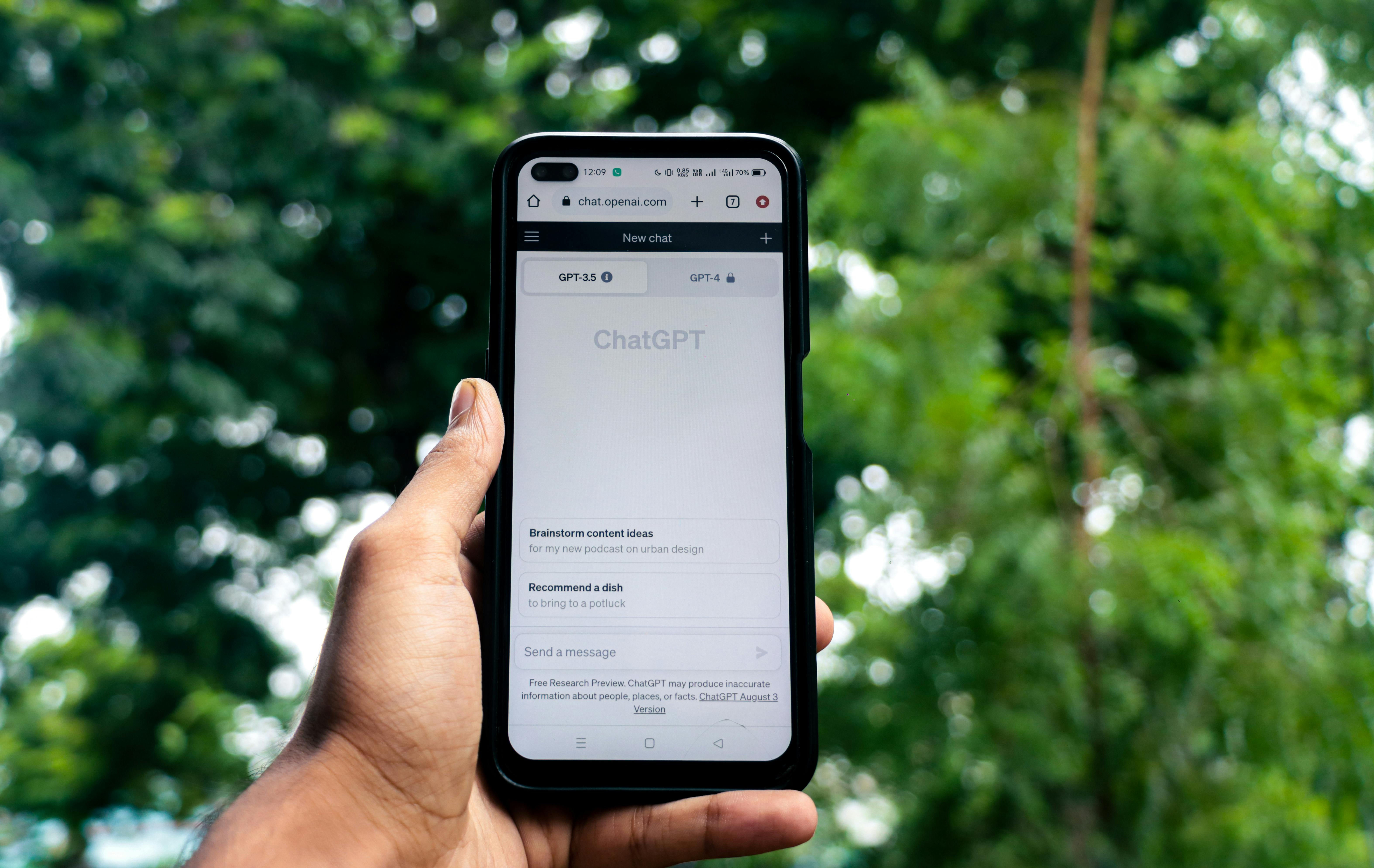
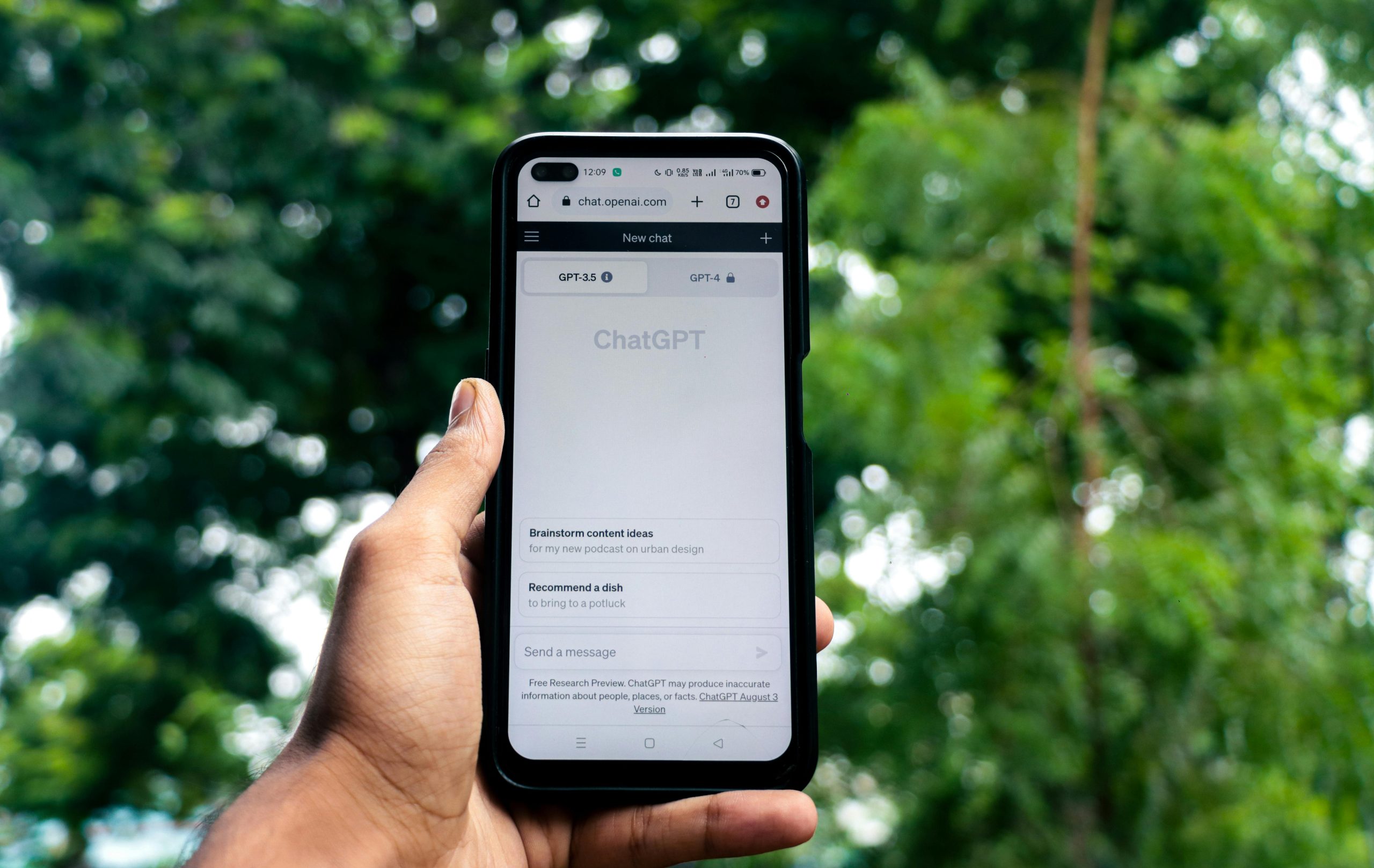
The landscape of corporate data access and analysis is undergoing a seismic shift, driven by the late 2025 rollout of OpenAI’s Company Knowledge feature for its paid tiers (Business, Enterprise, and Education). This integration transforms the conversational interface of ChatGPT, powered by the highly advanced GPT-5 model, into a centralized, secure query engine capable of synthesizing proprietary internal organizational data. The core ambition, as articulated by company executives, is to eliminate information silos and radically compress time-consuming manual processes in reporting, planning, and customer engagement, effectively positioning the AI as a pervasive digital colleague.
The success of such a powerful, data-connected tool hinges not merely on its generative capability but fundamentally on the organizational trust it inspires. Consequently, the architecture of Company Knowledge is defined by an almost obsessive focus on verifiability, data sovereignty, and granular security control, establishing a new standard for how enterprises interact with large language models utilizing their most sensitive materials.
The New Mandate for Trust and Source Verification
In the realm of corporate decision-making, accuracy is non-negotiable, and the origin of data must be transparent. A key commitment accompanying the launch of Company Knowledge is the prioritization of verifiable sourcing for every piece of information derived from internal documents.
The Citation Mechanism: A Foundation for Auditable AI
A defining characteristic of the output from this specialized mode is the mandatory inclusion of citations linked directly to the internal source documents. When the AI synthesizes an answer drawing from multiple internal memos, documents, or messages across connected platforms—such as Slack, Google Drive, or SharePoint—it provides traceable links or references to those exact sources. This commitment to citation transforms the AI’s output from a potentially opaque assertion into an auditable finding. For legal, compliance, and high-stakes strategic work, the ability to instantly verify the basis of an AI-generated conclusion is as valuable as the conclusion itself, fostering a necessary layer of organizational trust in the system’s recommendations. The system leverages Retrieval-Augmented Generation (RAG) workflows combined with GPT-5’s reasoning to ensure answers are anchored directly to the organization’s artifacts.
Implementing Confidence Scores in Internal Reporting
While not explicitly detailed as a final, confirmed feature within the initial Company Knowledge rollout documentation, the underlying architecture strongly suggests the potential for the system to provide internal confidence metrics alongside its cited findings. Because the GPT-5 reasoning layer is drawing from defined, accessible data points across a potentially vast and sometimes contradictory set of internal documentation, the system can inherently gauge the consensus or conflict among its sources. Future iterations or implied capabilities would likely include a score indicating the degree of agreement between the internal documents consulted, offering the user a nuanced view on the certainty of the AI’s synthesis, particularly when dealing with complex or contradictory internal policy documentation. This feature would naturally leverage the significant advancements in GPT-5’s reasoning capabilities, which are specifically optimized for deeper analytical work over previous iterations.
Navigating the Evolving Landscape of Data Governance
The most persistent shadow over powerful generative AI is the specter of data leakage and misuse. OpenAI has heavily emphasized that the infrastructure surrounding Company Knowledge is built upon a bedrock of stringent, pre-existing enterprise security protocols, recognizing that 2025 is a year of tightening regulation and increased C-suite scrutiny over AI data handling.
Reaffirming the Sovereignty of Organizational Data Policies
A central assurance provided to enterprise clients is the emphatic declaration that the data utilized by the Company Knowledge tool is segregated from the general model training corpus. The statement that “OpenAI never trains on your data by default” serves as a critical demarcation line and is a central pillar of their enterprise offering. This commitment means that proprietary business logic, strategic plans, or client PII ingested for analysis are strictly siloed, remaining exclusively within the customer’s secured environment and subject only to the organization’s own retention and usage policies. The platform acts as a processing layer, not a permanent storage or learning destination for this sensitive material. This assurance is critical as enterprises navigate a complex regulatory environment, including the phased enforcement of the EU AI Act starting in early 2025.
Granular Access Controls and Permission Layering
The system’s functionality is inherently tied to the concept of least privilege, a cornerstone of modern data governance. The integration is designed to honor the granular access permissions already established within the source applications—including Slack, SharePoint, Google Drive, GitHub, and others. An employee who does not have read access to a specific folder in a cloud drive or a particular channel in a communication platform will not see that folder’s contents reflected in the AI’s knowledge base. This layered security model prevents privilege escalation through the AI interface, ensuring that the power of the centralized query engine remains constrained by the existing, vetted security architecture of the enterprise itself. Administrators govern this through robust tools like the Compliance API, which supports group-level permissions and comprehensive audit logs.
The Strict Boundary Between Internal and External Data Feeds
As noted by company officials, enabling the Company Knowledge mode effectively acts as a temporary firewall against the open web by confining the search scope to connected internal systems. This strict boundary is a vital security feature. By design, when operating in this internal context, the system prioritizes proprietary data retrieval, eliminating the risk of contamination where an internal query might inadvertently be influenced by a less reliable, public web result. This hard partitioning reinforces the integrity of internal analysis by creating distinct operational modes.
User-Activated Control for External Web Access Re-engagement
Crucially, this isolation is user-controlled and reversible, underscoring the user’s ultimate authority over the AI’s operating context. The capability to toggle off the internal knowledge focus and immediately return to general web querying within the same active session allows for rapid context switching. For example, a user can analyze an internal feasibility report and immediately pivot to research current regulatory changes on the public internet without losing the thread of the ongoing dialogue. This user-driven control ensures that the dual functionality—internal search plus external browsing—is managed explicitly, rather than running concurrently and risking data cross-contamination.
Transforming Daily Workflow Paradigms
The practical application of this integrated intelligence fundamentally alters the rhythm and efficiency of numerous white-collar roles. The tool is explicitly aimed at streamlining several of the most time-consuming, process-heavy aspects of modern corporate life, with the COO noting its transformative impact on daily work.
Streamlining Reporting and Analytical Cycles
The entire process of creating substantive internal reports, which historically involved hours of data aggregation from emails, shared drives, and internal databases, is drastically compressed. Generating a comprehensive quarterly performance summary, for instance, transitions from a week-long compilation effort to a near-instantaneous output, provided the underlying data feeds are current. This capability is powered by GPT-5’s ability to draw comparisons across the connected data pools. This frees up analyst time to focus not on gathering data, but on interpreting the strategic implications uncovered by the AI’s synthesis, pushing the value chain higher within the organization.
Accelerating Planning and Forecasting Activities
Strategic planning sessions are immediately enhanced by overcoming fragmented institutional memory. Teams can pose complex scenarios directly to the AI, leveraging historical performance data, budgetary allocations from financial systems, and resource availability from project trackers—all sourced in real-time from the connected platforms. The AI’s ability to synthesize these disparate data points becomes invaluable for stress-testing proposed business plans against past organizational performance under similar conditions.
Elevating Customer Preparation and Sales Enablement
For client-facing roles, the ability to instantly compile a deep-dive briefing before a meeting is a game-changer. A sales professional preparing for an account review can prompt the AI to synthesize the client’s entire service history (from Zendesk or CRM), recent support tickets, last year’s performance against key metrics, and current internal product roadmaps—all formatted into a coherent briefing document seconds before walking into the conference room. This level of preparation moves customer interaction from reactive problem-solving to preemptively insightful partnership.
The Broader Horizon: Beyond Internal Documents
While the initial focus is on securing proprietary data, the concurrent development of general application integration suggests a much wider ambition: to transform the conversational interface into a genuine hub of digital task execution.
Convergence with Personal Productivity Suites
The expansion to connect with personal productivity tools like email and calendar applications represents a move toward a truly unified productivity layer. Connectors now explicitly include Gmail and Google Calendar, alongside Microsoft Outlook and Microsoft Teams. Imagine a request to schedule a complex meeting that requires checking the availability of three internal stakeholders (via internal calendar data) while simultaneously drafting an agenda email and sending it to an external partner (via connected email clients). This functionality blurs the line between the chatbot and the user’s personal operating environment, making the AI an active participant in task management, not just an information provider.
Conceptualizing the AI as a Pervasive Digital Colleague
The culmination of these integrations suggests a future where the AI is viewed less as a separate tool and more as an omnipresent, hyper-competent digital colleague. The COO’s assessment that this feature has been the most transformative addition to their daily work underscores this sentiment. When an AI can reliably handle the drudgery of internal cross-referencing and preparation, it fundamentally alters the human role to focus on creativity, high-level decision-making, and interpersonal strategy—tasks that remain distinctly human domains. This evolution aligns with OpenAI’s broader strategic push to productize agentic capabilities, such as the Computer-Using Agent (CUA) model, which seeks to generalize AI execution across web and desktop tasks.
Anticipating the Next Iteration in Enterprise Intelligence
The launch of Company Knowledge is clearly positioned as a foundational step toward a broader vision of enterprise automation, one where the AI moves from a reactive assistant to a proactive orchestrator of work.
The Future of AI-Driven Cross-Departmental Synthesis
The ultimate realization of breaking down information silos will likely manifest in proactively generated insights that no single human department would organically arrive at. For example, the AI might flag that the Engineering department’s recent software update schedule conflicts directly with a major deployment window identified in the Sales pipeline, alerting both department heads simultaneously with a suggested mitigation plan rooted in historical project data. This level of cross-domain foresight is the true promise of fully connected enterprise intelligence, moving beyond simple retrieval to predictive organizational synthesis.
Refinement and Algorithmic Maturation
Ongoing work, as acknowledged by the developers, will continue to refine the experience. This refinement is expected to focus on making the retrieval pathways even more subtle, perhaps transitioning from the explicit button-press to a more nuanced, context-sensitive inferencing layer that can seamlessly manage the internal/external data source duality without constant user intervention. The goal will be to make the system’s source awareness invisible to the user, allowing for an uninterrupted, highly productive flow of work where the intelligence layer is simply assumed to be operating at peak contextual awareness. This continuous iteration underscores a commitment to embedding this powerful capability deeply and organically into the fabric of organizational work, building upon the already significant performance gains seen in the underlying GPT-5 model, which demonstrates substantial reductions in factual errors compared to its predecessors.